Mold After Water Damage Restoration: Prevention and Treatment Guide
Published: 2026-04-05 · By BlueWave Water Damage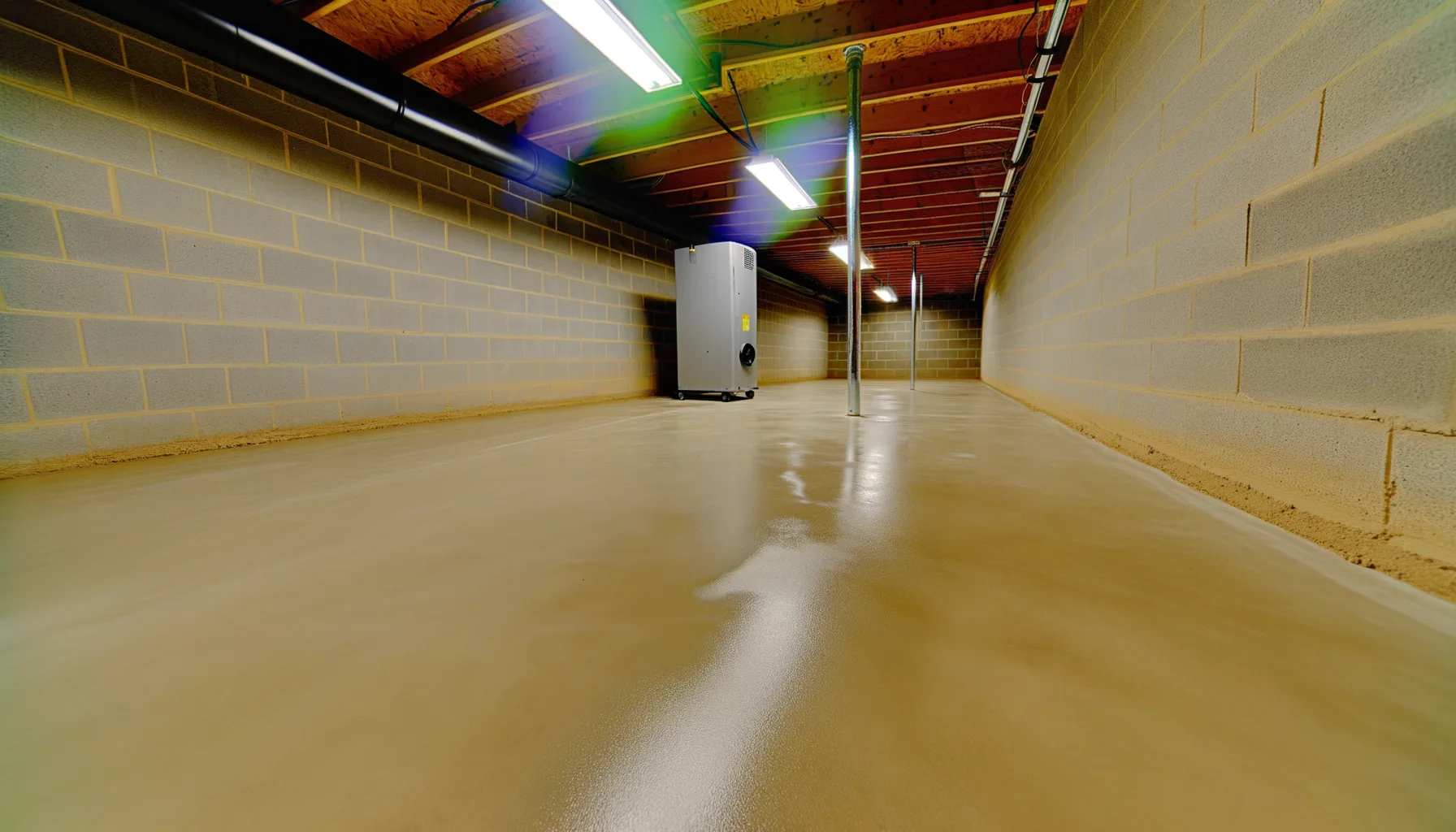
Imagine coming home after a long day in the sweltering Houston heat, only to find the telltale signs of water damage in your home: peeling paint, buckled floors, and the unmistakable musty smell of mold. Houston homeowners face numerous challenges due to high humidity and severe thunderstorms, which can turn minor leaks into major disasters. If you've recently dealt with water damage, you might believe your troubles are behind you. However, the lingering threat of mold growth looms large, particularly in a city where heavy rains are a seasonal norm.
Why This Matters for Houston Homeowners
Mold is not just an inconvenience; it poses a genuine health risk, notably in humid climates like Houston. When moisture seeps into your walls, ceilings, or foundations—and when combined with the clay soil in Texas that expands and contracts—it creates a perfect environment for mold development. Homeowners need to be proactive, as mold can spread rapidly, leading to costly repairs and potential health issues.
The cost of remediation can soar into the thousands if it is not addressed quickly, especially when insurance may not cover damage due to negligence. The humidity levels in Houston can exacerbate the growth of mold, making timely intervention critical. This situation calls for vigilance even after basic restoration measures are performed following water damage.
Furthermore, flood-damaged homes face unique challenges, particularly as Houston enters hurricane season. Stay ahead of the issue by knowing how to prevent mold from emerging and what steps to take should it be found.
Expert Solutions & Actionable Tips
1. Inspect Regularly for Water Accumulation
Regular inspections are essential, especially for properties in Houston where heavy rainfall can occur unexpectedly. Look for areas where water accumulates, such as around the foundation or in attics where humidity may build up. Setting aside just 30 minutes once a month can help catch leaks before they escalate into serious issues.
Cost affects prevention as well: consider investing in a moisture meter, which typically ranges from $20 to $50 and can pinpoint hidden dampness.
2. Maintain Proper Ventilation
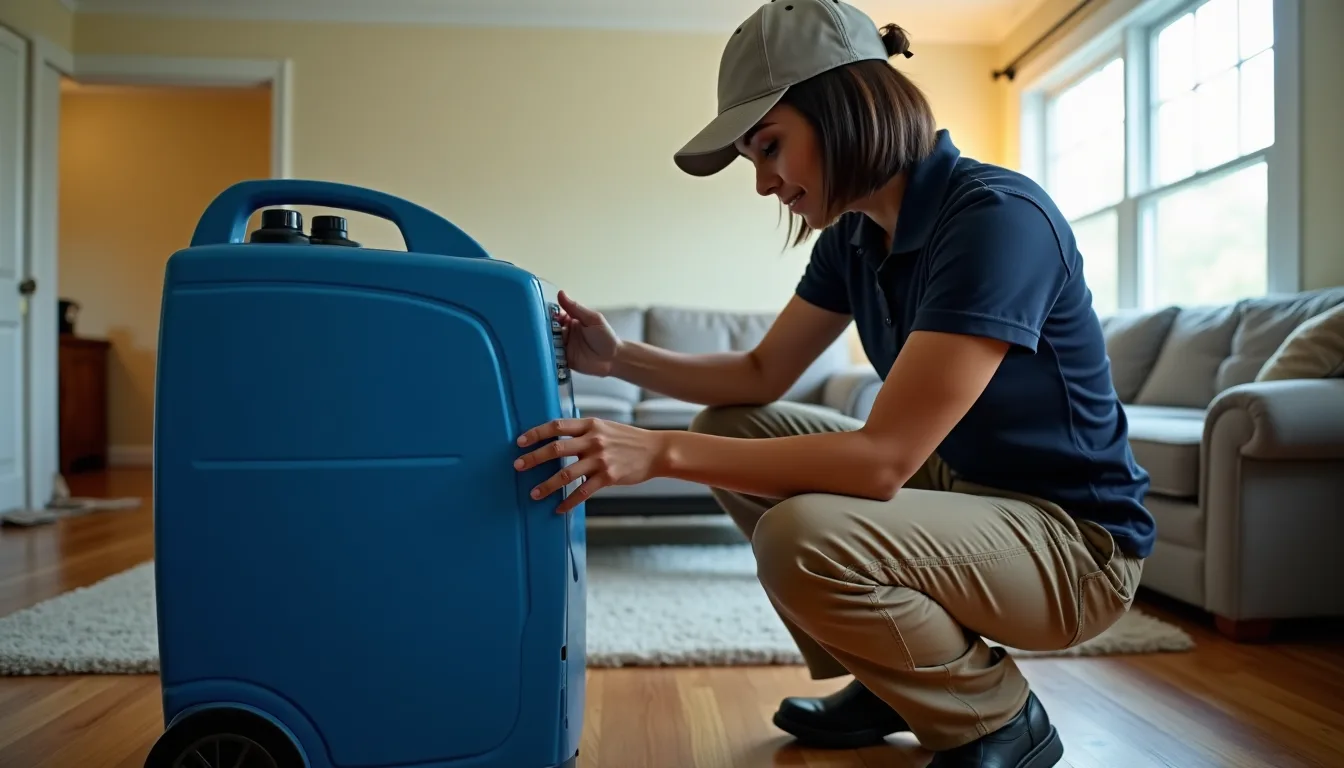
Ensuring that your home has adequate ventilation can significantly reduce humidity levels. Install exhaust fans in bathrooms and kitchens, and consider a dehumidifier for particularly damp areas. Proper ventilation should reduce the risk of mold growth and help create a healthier living environment.
In Houston, where humidity often exceeds 70%, these measures can save homeowners from spending between $300 to $700 on remediation if mold starts to grow.
3. Use Mold-Resistant Materials
When repairing areas affected by water damage, opting for mold-resistant drywall and paints can be a smart investment. These materials can prevent mold from taking root, which is especially relevant in a city famous for its moisture-laden weather.
Cost-wise, while mold-resistant drywall might be $0.10 to $0.25 more per square foot compared to regular types, it can save thousands in potential mold remediation costs in the long run.
4. Set Up a Water Damage Emergency Plan
Create an emergency response plan for your family that includes what to do when water damage is suspected. This plan should include phone numbers for local services like BlueWave Water Damage and steps to take before professionals arrive.
A direct response can save critical time, which is vital in reducing potential mold damage. Being prepared can minimize potential costs incurred from mold treatment.
5. Consider Landscaping Solutions
Landscape your property to direct water away from your home. Techniques like grading and installing gutters can ensure that rainwater drains away from your foundation effectively. This becomes especially important during Houston’s severe thunderstorms.
While landscaping improvements can vary in cost from $500 to $5,000 based on the scope, they can significantly decrease the likelihood of foundation cracks and subsequent mold risks.
6. Schedule Professional Inspections After Flooding
After any major weather event or flood, it’s wise to have a professional inspection conducted. This will ensure any hidden mold problems can be identified and addressed swiftly. An expert can utilize advanced technology to detect moisture you might overlook.
Professional inspections in Houston typically range from $150 to $500 depending on the specific services rendered, but peace of mind is well worth the investment.
Houston Climate & Local Context
Houston's climate is a relentless mix of extreme heat combined with high humidity, which creates a unique set of challenges for homeowners when addressing water damage issues. The clay soil in Houston contributes to frequent foundation problems that can lead to leaks and unwanted moisture inside homes. With unexpected thunderstorms and the annual threat of hurricanes between June and November, taking proper precautions is crucial.
Local building codes often require homeowners to adhere to specific protocols for water restoration. This means that working with a reputable company like BlueWave Water Damage is essential, as they understand city regulations and can ensure compliance while also providing effective remediation services tailored to various property types.
When to Call a Professional
DIY projects can be tempting, especially for homeowners eager to save money after experiencing water damage. However, tackling mold removal without proper expertise can sometimes amplify the problem. Knowing when to call a professional is critical in ensuring a safe and effective remediation process.
- Signs of extensive mold growth over 10 square feet.
- Visible mold in HVAC systems.
- Water leaks that persist despite attempts at sealing.
- Signs of rot or structural damage.
- Unexplained respiratory issues among occupants.
In these scenarios, contacting an expert like BlueWave Water Damage can not only address your current issues but can also help implement preventative measures for the future.
Frequently Asked Questions
How long does water damage restoration typically take?
In Houston, the restoration process can vary widely, but most homeowners can expect the process to take anywhere from 3 days to 2 weeks based on the damage severity.
Will my homeowners insurance cover mold damage?
Coverage for mold damage often depends on the specific policy. Many Houston insurers will cover mold if it resulted from sudden water damage, but not from gradual leaks.
What are early signs of mold growth I should watch for?
Watch for unusual musty odors, discoloration on walls, or visible water stains as early indicators to help catch mold growth before it escalates.
How can I effectively prevent mold after restoration is complete?
Focus on maintaining low humidity levels, ensure proper ventilation, and conduct regular inspections to catch any potential issues early.
What should I do if I smell mold but can't see it?
If you detect a mold smell without visible signs, it’s advisable to contact a professional for an inspection to identify hidden mold and address any underlying moisture sources.
Get Expert Water Damage Restoration Service in Houston
If you’ve recently dealt with water damage in your Houston home, don’t leave your health and safety to chance. Reach out to BlueWave Water Damage for expert guidance and services tailored to protect your home from mold growth. Call (281) 954-5426 today!
With the right support, you can ensure your property remains safe and mold-free in the face of Houston’s challenging climate. Let us help you restore peace of mind and a healthy environment in your home.
Related Services
More Articles
Water Damage Restoration Emergency? Here's What to Do in the First 24 Hours
2026-04-01
Water Damage Restoration6 Signs You Need Professional Water Damage Restoration in Houston
2026-04-01
Water Damage Restoration10 Signs You Need Professional Water Damage Restoration in Houston
2026-04-05